Bestseller
Free delivery to mainland Spain on orders over €150
Shipped from France · Spain and 9 European countries
Charging guide
A more powerful charger won't charge any faster if the car or the installation can't keep up. This guide gives you the real charging time, and the charger that's enough.

Calculator
Choose the battery, the power the vehicle accepts and your supply: the bars show the time for a full charge, charger by charger.
Full charge, 0 to 100%

The charger you need
11 kW three-phase wallbox
11 kW · Three-phase · 5 m cable — all the power your installation and your vehicle can take, without paying for kW you won't use.
Estimate based on 90% efficiency. Actual time depends on temperature, state of charge and vehicle settings.
The essentials
The charger's, the vehicle's on-board charger's, and the installation's. A 22 kW charger on a car limited to 11 kW charges at 11 kW.
Every car sold in Europe charges via Type 2 on AC. Our chargers, cables and portable chargers all use it.
Most homes have a single-phase supply: 7.4 kW maximum. Three-phase opens up 11 and 22 kW. Your electricity contract or consumer unit will tell you which you have.
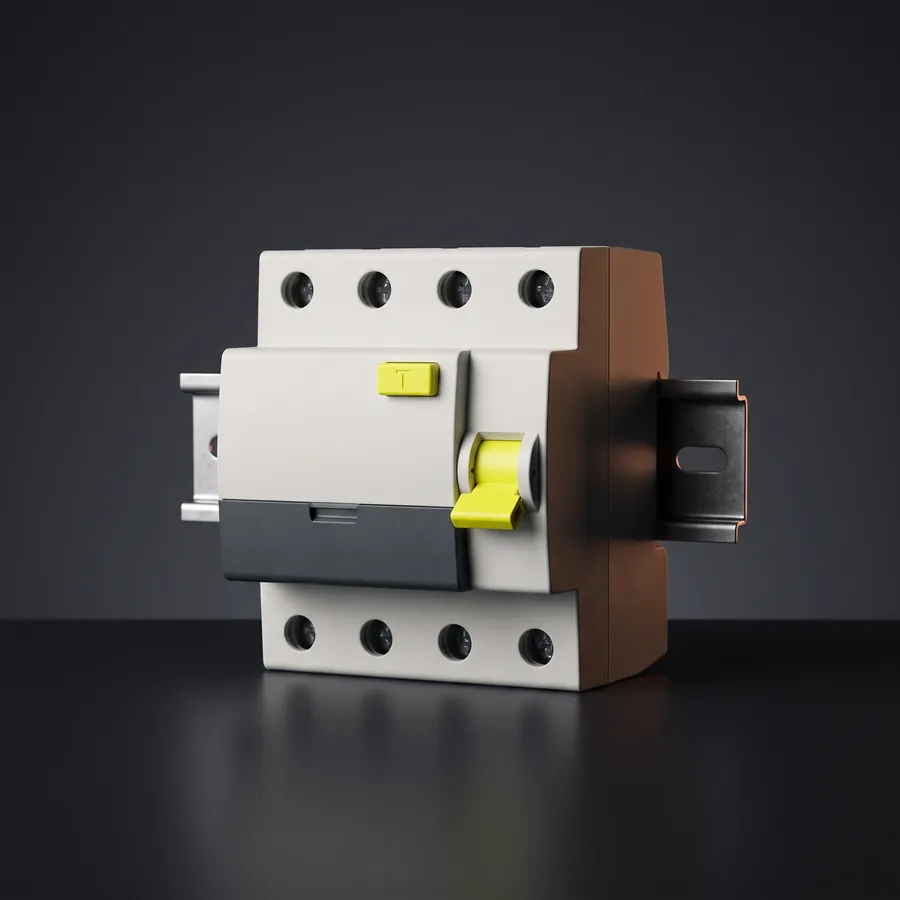
A charging point is connected to a dedicated circuit, protected by a 30 mA residual current device suited to residual DC current. Your electrician will choose it with you.
Protection
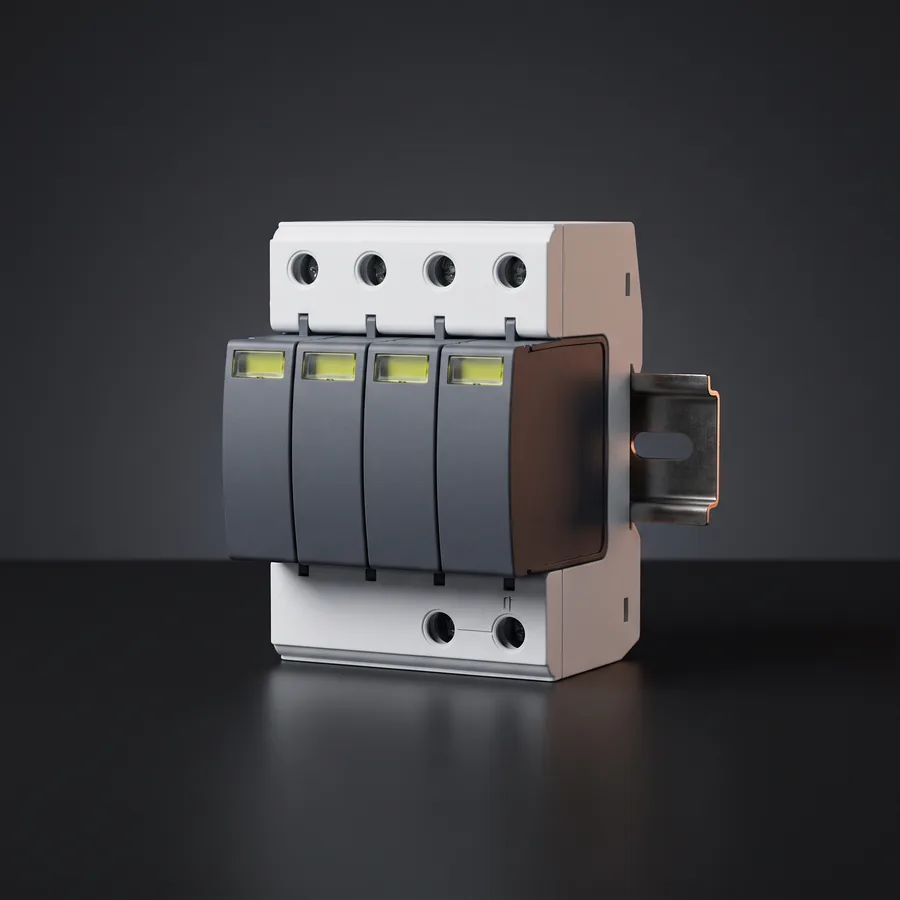
RCD, surge protector and dynamic load management: the trio installers recommend around a charger.
Installing a charger and its protection is a job for a qualified electrician. We provide manuals and wiring diagrams, and answer your installer's questions in writing.
Chargers are dispatched within 24 hours, with free delivery to mainland Spain above the threshold.